
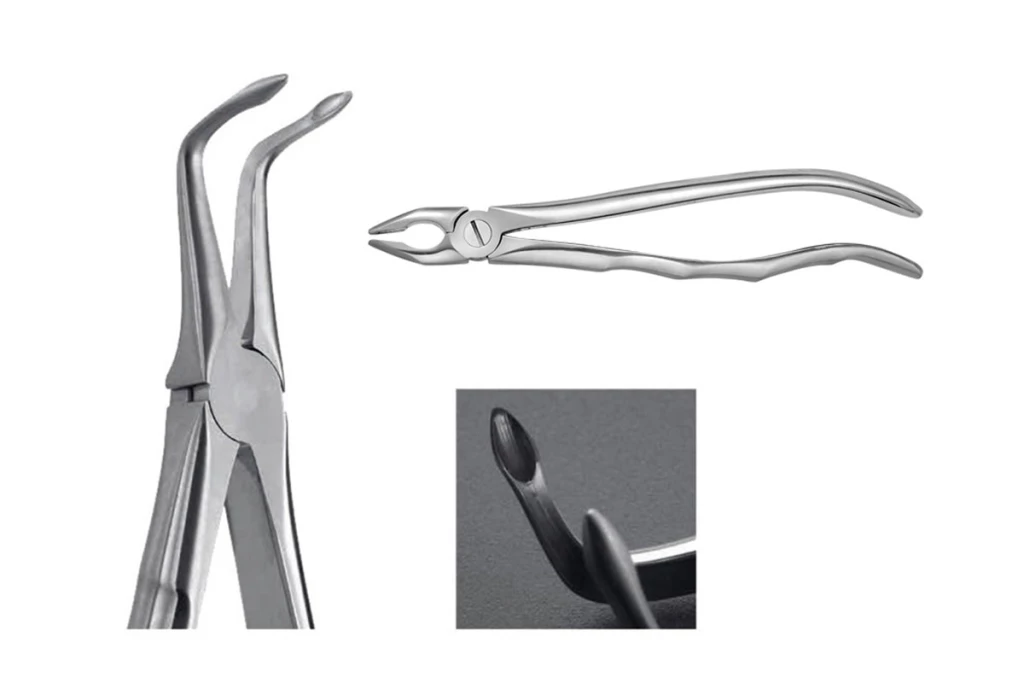
Зубозахват для фрагментів кореня нижньої щелепи
ВідMedesy
Код 2400187
Немає в наявності
В даний момент цікавить вас товару немає в наявності. Перейдіть до каталогу, щоб знайти широкий асортимент подібних товарів
Немає в наявності
В даний момент цікавить вас товару немає в наявності. Перейдіть до каталогу, щоб знайти широкий асортимент подібних товарів
Опис
Екстракційні щипці Blade Beaks. Кращий і безпечніший захват зуба. Щелепи тонші, більш витончені з рифленою поверхнею і виготовлені з особливої високоякісної сталі з сатиновим покриттям.
Mandibular root fragment forceps are specialized dental instruments designed for the extraction of root fragments from the mandible. These forceps possess unique characteristics that enhance their functionality and effectiveness in dental procedures. Below are some common characteristics of mandibular root fragment forceps:
Design Features
- Curved Beaks: The beaks of mandibular root fragment forceps are typically curved, allowing for better access to the posterior areas of the mandible where root fragments may be lodged.
- Thin Profile: A thinner profile helps in navigating tight spaces and reduces trauma to surrounding tissues during extraction.
- Angled Handles: The handles are often angled to provide optimal leverage and control, making it easier for the dentist to apply the necessary force without compromising precision.
Material Composition
- Stainless Steel: Most mandibular root fragment forceps are made from high-quality stainless steel, ensuring durability, resistance to corrosion, and ease of sterilization.
- Lightweight Construction: The lightweight nature of these forceps allows for prolonged use without causing hand fatigue to the practitioner.
Functional Aspects
- Textured Grips: Many models feature textured grips on the handles, providing a secure hold even in wet conditions, which is crucial during surgical procedures.
- Precision Tips: The tips of the forceps are designed for precision, allowing the dentist to grasp small root fragments effectively without crushing them.
- Spring-Loaded Mechanism: Some forceps include a spring-loaded mechanism that aids in the opening and closing of the beaks, enhancing the ease of use during extractions.
Application Versatility
- Multiple Uses: While primarily designed for root fragment extractions, these forceps can also be utilized in other dental procedures, such as the removal of small teeth or fragments.
- Compatibility with Other Instruments: Their design allows for compatibility with other dental instruments, making them a valuable addition to any dental toolkit.
Maintenance and Care
- Easy Sterilization: The stainless steel construction allows for easy sterilization, ensuring that the forceps remain hygienic and safe for patient use.
- Regular Inspection: Regular inspection for wear and tear is essential to maintain their effectiveness and ensure patient safety during procedures.
Mandibular root fragment forceps are specialized dental instruments designed to facilitate the extraction of root fragments from the mandibular arch. Their unique design and functionality make them essential tools in various clinical scenarios. Below are the key indications for their use:
Indications for Mandibular Root Fragment Forceps
1. Retained Root Fragments
One of the primary indications for using mandibular root fragment forceps is the removal of retained root fragments following tooth extractions. These fragments can pose a risk of infection or impede the healing process.
2. Complicated Extractions
In cases where a tooth has fractured during extraction, these forceps provide the necessary grip and leverage to remove the remaining root pieces effectively.
3. Periodontal Disease
Patients with advanced periodontal disease may experience root fractures or mobility. Mandibular root fragment forceps can be utilized to extract these compromised roots, aiding in the overall treatment plan.
4. Surgical Procedures
During surgical extractions, especially in cases of impacted teeth, the use of mandibular root fragment forceps can assist in the removal of small root fragments that may be left behind after the primary extraction.
5. Endodontic Treatment Failures
In instances where endodontic treatment has failed, and the tooth is deemed non-restorable, these forceps can be employed to extract the remaining root structure efficiently.
6. Trauma Cases
In dental trauma cases where teeth are fractured, mandibular root fragment forceps can be instrumental in removing any remaining root fragments that could lead to complications if left untreated.
7. Pediatric Dentistry
In pediatric patients, where primary teeth may have roots that are not fully developed, these forceps can help in the gentle extraction of root fragments without causing trauma to the surrounding tissues.
8. Bone Preservation Procedures
When preparing for bone grafting or implant placement, it is crucial to remove all root fragments to ensure optimal healing and integration of the graft or implant. Mandibular root fragment forceps are ideal for this purpose.
Conclusion
Understanding the indications for the use of mandibular root fragment forceps is essential for dental professionals. Their application not only enhances the efficiency of extractions but also contributes to better patient outcomes by minimizing complications associated with retained root fragments.
In the field of dentistry, the extraction of teeth can often lead to complications, particularly when it comes to the removal of root fragments. Mandibular root fragment forceps are specialized instruments designed to facilitate the efficient and safe extraction of these fragments. Here are some of the key benefits of using these forceps in dental practice:
Enhanced Precision
Mandibular root fragment forceps are designed with a specific shape and curvature that allows for better access to the lower jaw. This precision is crucial when dealing with root fragments that may be lodged in difficult-to-reach areas.
Improved Grip
The unique design of these forceps provides a superior grip on the root fragments. This reduces the risk of slippage during extraction, ensuring that the fragments can be removed cleanly and efficiently.
Minimized Trauma
Using mandibular root fragment forceps can significantly minimize trauma to the surrounding tissues. The forceps are engineered to apply controlled pressure, which helps in preserving the integrity of the alveolar bone and soft tissues.
Time Efficiency
Time is of the essence in dental procedures. The ergonomic design of mandibular root fragment forceps allows for quicker extractions, which can lead to shorter appointment times and increased patient satisfaction.
Versatility
These forceps can be used in various clinical scenarios, making them a versatile tool in any dental practice. Whether dealing with fractured roots or retained roots post-extraction, these forceps can handle a range of situations effectively.
Reduced Risk of Complications
By utilizing mandibular root fragment forceps, dentists can reduce the likelihood of complications such as root fractures or damage to adjacent teeth. This is particularly important in complex extractions where precision is critical.
Enhanced Patient Comfort
Patients often experience anxiety during dental procedures. The efficient use of mandibular root fragment forceps can lead to quicker extractions, which in turn can reduce discomfort and anxiety levels for patients.
Cost-Effectiveness
Investing in high-quality mandibular root fragment forceps can lead to long-term savings for dental practices. By reducing the time spent on extractions and minimizing complications, these forceps can enhance overall practice efficiency.
Training and Skill Development
Using specialized instruments like mandibular root fragment forceps can aid in the development of a dentist's skills. Mastering the use of these tools can enhance a practitioner’s confidence and proficiency in performing extractions.
- Enhanced precision for difficult extractions.
- Improved grip reduces slippage.
- Minimized trauma to surrounding tissues.
- Time efficiency leads to shorter appointments.
- Versatility in various clinical scenarios.
- Reduced risk of complications during procedures.
- Enhanced patient comfort through quicker extractions.
- Cost-effectiveness for dental practices.
- Training and skill development for practitioners.
Немає в наявності
В даний момент цікавить вас товару немає в наявності. Перейдіть до каталогу, щоб знайти широкий асортимент подібних товарів